The Long Way Home: Modernism and Machinery
Author: Marcos VANORDEN DE ASSIS JUNE 8, 2026
DISPATCH 005: An uexpected homecoming
DISPATCH 005: An uexpected homecoming
Marcos is an architect at Matrix Design Studio who took the long way to work — a surfer kid from Rio who quit engineering, found architecture in a friend's backyard, and spent eleven years building schools and hospitals in India before settling in California and at Matrix Design Studio. Marcos goes back to Brazil every couple of years, but this last trip was different. It took him to Brasília, the modernist capital he'd studied in architecture school but hadn't seen since he was ten; to the hydroelectric plans his late father once drew for that same city — still in operation today; and, on the flight home, it lead him to a few life-changing minutes which he was sure would be his last. They say you can't go home again. What follows is his case for why maybe you can.
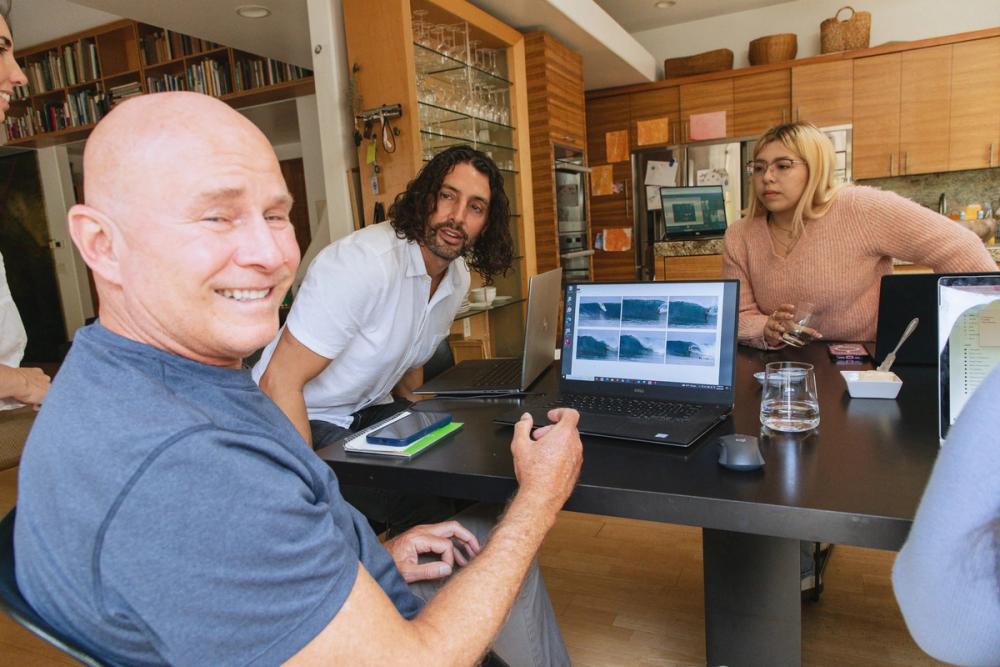
My dad thought I was a beach bum, and he was right, so when I dropped out of engineering school, he wasn’t surprised but he was livid. He was so upset that he kicked me out of the house. I ended up living in a friend's shed while I figured out my next move and, as fate would have it, this friend of mine was in architecture school. Watching him do his schoolwork I thought, this is kind of cool — I think I could do this. Thankfully I was a much better architect than I was an engineer, and my career took me to India for eleven years, where I met my wife while building field hospitals and schools; and then to California where I eventually came to work at Matrix — both for Fred and Holly and now with Nico at the helm.
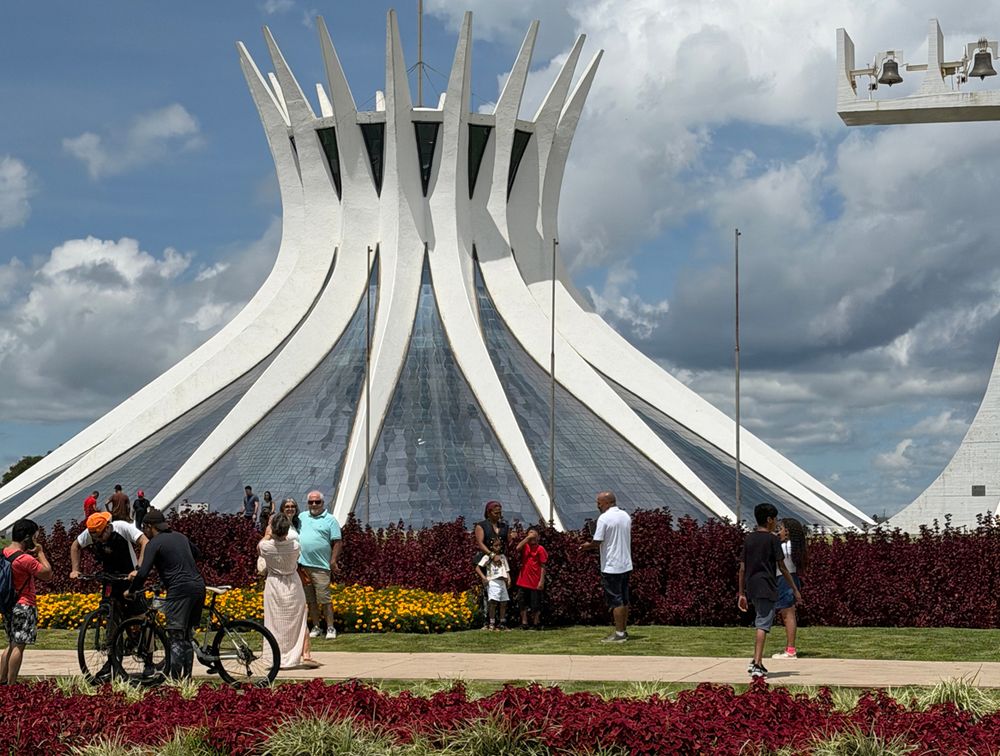
Brasilia, Brazil
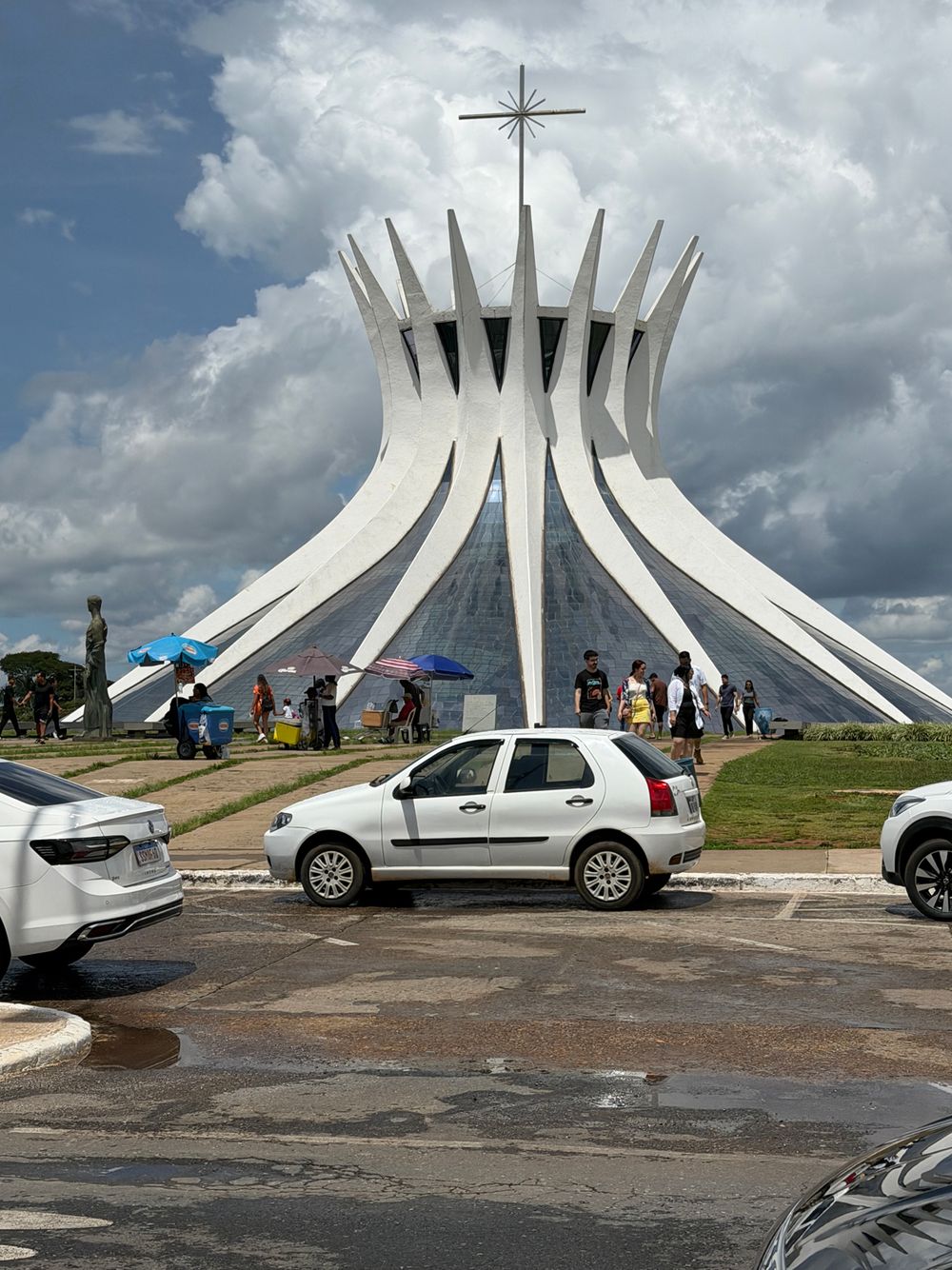
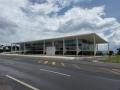
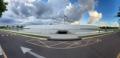
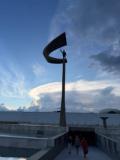
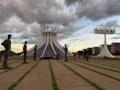
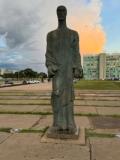
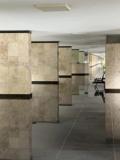
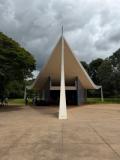
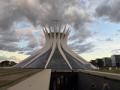
In Brazil, you always study Brasília. It's a monument designed by Oscar Niemeyer and built in 1961, the year I was born. I'd been there once as a kid, around ten, and it made an impression, but I hadn't been back since. This last trip I finally got to stand in front of the buildings I'd only ever studied in books in school, 55 years later, and take my own pictures and make my own observations.
But it was a newly uncovered piece of family history that made this visit even more special. My dad studied engineering at one of the best schools in Brazil in the early 1900s. It turns out his graduation project — done with a team of other students — was the hydroelectric plant that was built and still powers Brasília today. After he passed, his wife was going through his things and found all the original plans. She donated them to a museum in Brasília, and they were curating them to put on display. I stood there and thought, oh my God — my dad did that. The city I studied in school, the one I'd just been photographing, is running on something he helped design. That one got me.
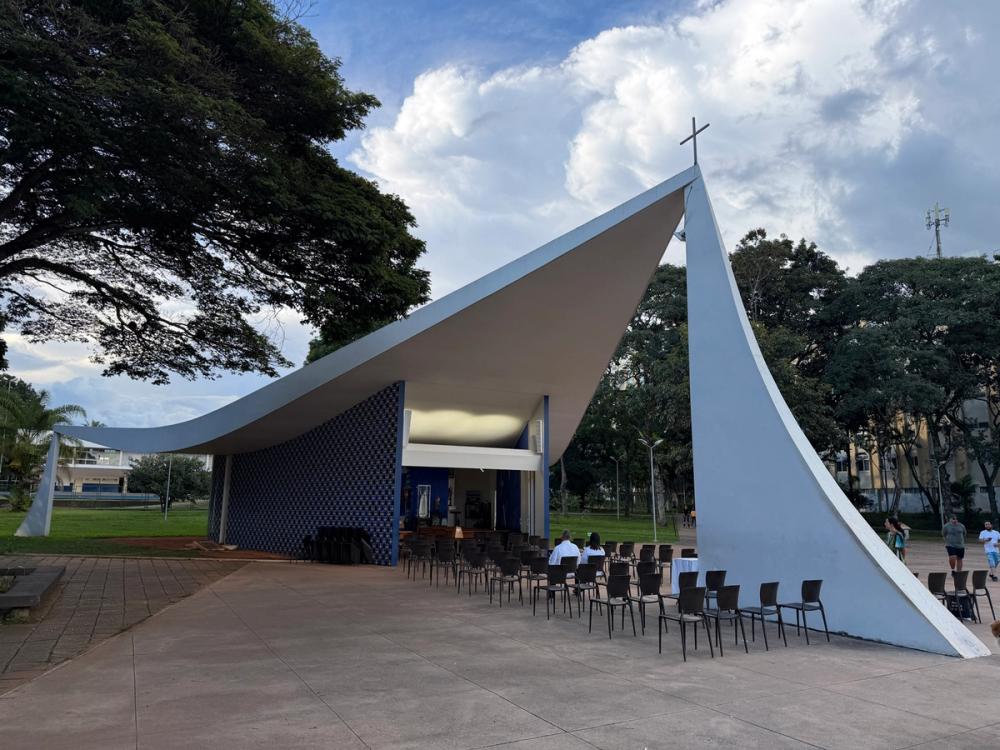
Brazilian architects have always been incredibly creative, partly because there was never as much material or technology available, so they had to do more with what they had. You see it in the textures, in the way they blend materials. My early influence was the colonial architecture — places like Búzios, that Portuguese colonial style Brazil made its own. But what struck me this time was a new wave of design: clean lines, flat roofs, very modern. A new wave that maybe started in 1961 with Brasilia which to this day remains super modern — perpetually ahead of its time. Seeing this new influence throughout the country has already changed how I work. I'm designing a house in U.S. Virgin Islands right now where the client wanted flat roofs, and right off the bat, I had the chance to use that inspiration I felt back in Brazil in the design.
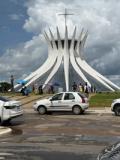


This trip back to my home country of Brazil was full of meaningful, full circle moments; things I would have probably been reflecting on during the plane ride home — but we were in for one more, quite large, life-altering situation as soon as the plane left the ground.
We took off from São Paulo for Atlanta, and right after we left the ground we heard an explosion. Boom. Then two more, a few seconds apart, and then a huge one. We were sitting right over the wing, and the engine was on fire — we watched the whole thing go up in flames out the window. People behind us were screaming.
For several minutes we were sure the plane was going to crash. My wife and I both learned to meditate during our years in India, and without saying a word we looked at each other and sat up straight. I didn't want to die in a panic. I don't know what happens after you die, but instinctively I knew dying in a state of panic was not how I wanted to go, so we focused on staying calm. The pilots finally came on and said that one engine was enough, they'd turn around and make an emergency landing. We came down hard but smooth, the fire crew was waiting, and we walked off the plane perfectly fine.
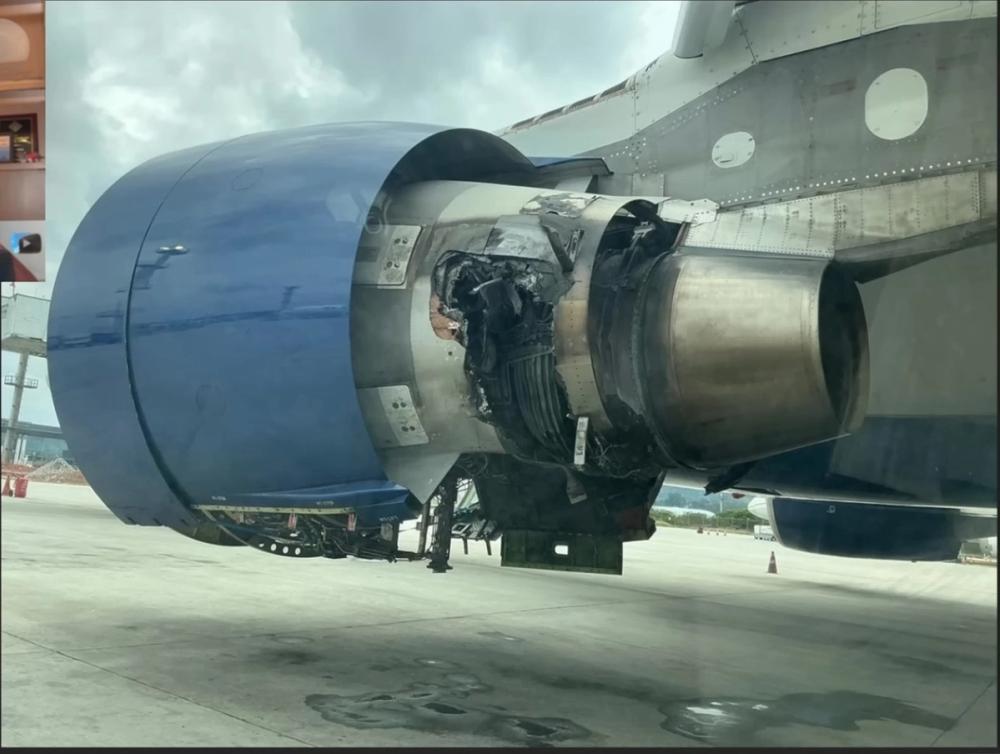
I've often wondered how I would feel, knowing I’m about to die. It’s a strange sensation knowing you're about to die but you're still here. What do you think about? You'd be amazed how big of an impact those few minutes make when you’re certain you’re about to die. I came back a different person, especially when it comes to work.
“At my age now, I'm definitely prioritizing balance in my life. I take time during the week to go golf, I take on fewer projects, because it's just not worth being stressed about stuff. I loved working with Nico’s parents before she took over the firm, I have loved watching Nico become a powerhouse designer in her own right, and I love working for Matrix. I feel like I have a lot to give as a designer, I’m just not going to make myself crazy anymore.” — Marcos Vanorden de Assis